
The Runway You Left Behind
What 'The Devil Wears Prada 2' gets right about staying on the ladder, getting off of it, and why the problem was never the ladder.

This essay discusses themes from ‘The Devil Wears Prada 2’, which is currently in theaters. Minor plot details ahead. But you don’t need to have watched the movie to read this essay. 😊
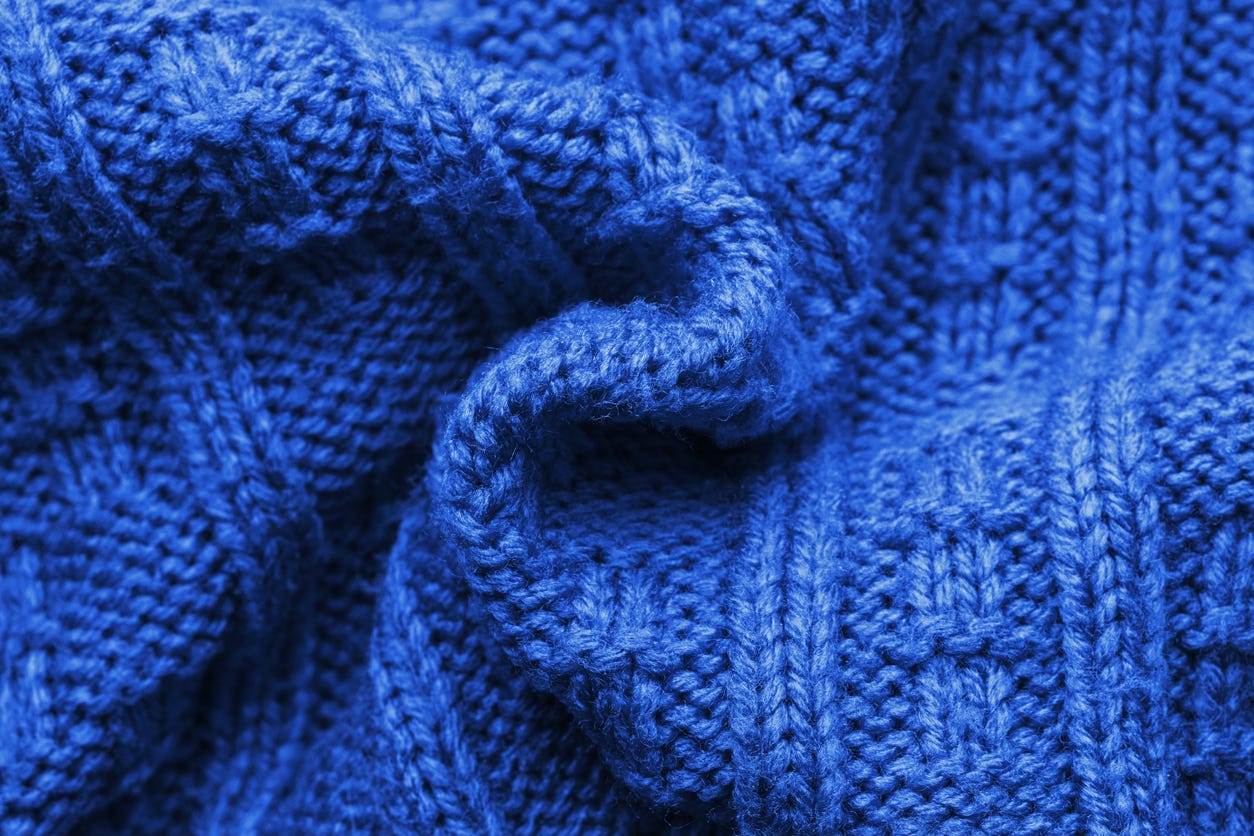
Twenty years ago, Andy Sachs wore a cerulean sweater on her first day at Runway Magazine and got quietly destroyed for it. In the sequel, she wears one again — on purpose.
In the original film, Miranda Priestly, Runway Editor-in-Chief, doesn’t just mock the sweater. She traces its entire lineage — a two-year trickle-down journey from the tastemakers who chose the color, to the haute couture runways, to the eventual High Street mass-market cable-knit Andy pulled from her closet that morning without a second thought. The color was decided years before Andy ever wore it. She just thought she was getting dressed.
Which begs the question that the sequel, perhaps accidentally, is actually about: how much of the life we’re living was decided before we ever showed up to it?
In 2006, Andy throws her phone into a fountain and walks away from Runway. It is one of cinema’s great ladder-exit moments — triumphant, declarative, final. In 2026, she gets fired from her investigative journalism job by text message. This is not a story about the right choice or questioning the roads not taken. This is a story about what we were actually looking for when we started the climb.

Every person I know who has ever had a career crisis falls into one of three categories, and the film gives us one of each. Three recognizable symbols of ambition that I’m sure you recognize at least part of yourself in, even if you cannot afford the $4,154 Chanel thigh-high boots.
Miranda became the ladder. As editor-in-chief of Runway, Miranda has successfully fused identity with institution until neither can survive without the other. In 2026, Miranda still power-dresses, but gone are the over-the-top furs and logomania moments from twenty years earlier, replaced with a quieter, more precise, killer wardrobe. This is not the wardrobe of someone performing power. This is the wardrobe of someone who became it — and simultaneously lost herself inside of it.
Emily won the ladder. As Miranda’s top assistant in 2006, Emily was not afraid to get her hands dirty, step over a few heads, and claw her way to the top of an enviable executive position at a luxury fashion house in 2026. She dresses for battle every day in edgy corsets and riskier silhouettes — think Vivienne Westwood and Maison Margiela — a subconscious reminder that she is still fighting for position, and maybe not quite as secure in herself as she would otherwise portray. The clothes say what her character won’t.
And then, there’s Andy. She’s abandoned the ladder entirely. After throwing her phone in the fountain, she embarks on a successful career in investigative journalism. She isn’t a tastemaker like Miranda, but she learned what was worth keeping from her days at Runway. Over the years, she has built up quite an impressive wardrobe full of curated finds, archival pieces, and still has kept her trusty, quietly battered, Coach messenger bag. Andy dresses for who she is and stops calling it fashion. But she wouldn’t be where she is today without the indelible mark the corporate ladder left on her.
Three different women’s relationships with the same ladder. And in 2026, all three of them are in some version of the same place. Which suggests the problem was never the ladder.
Which brings me to the question I never thought to ask before today: in any of the jobs I left or stayed in too long, what was I actually looking for?
Not was this the right move, or did I make the most of it, or even, why did it go wrong? We always ask these questions, and they are useful up to a point. These are the post-mortem questions. They tell you what happened and even why it happened. But they don’t tell you what to do with it afterwards.
I once left a job the way Andy left Runway — tossing my work-issued laptop into a FedEx bin, which at the time felt like clarity and salvation. I have also stayed in jobs too long the way Miranda stayed in hers — confusing the ladder for my personal identity and intended destination. Neither of those was a failure of character. But at the time — and I know this now — it was a failure of examination.
This is where the Forensic Optimist parts ways with the post-mortem.
The post-mortem examination tells you why the crash occurred. It is a necessary step, and I am certainly not dismissing it. But it stops at the bottom, and stays in the darkness. It asks the first question — What happened? — and if you’re like me, you’ll answer it honestly and take accountability in the places where you had a role. But you need to come back up. And this is where a lot of people get stuck. The Forensic Optimist steers the submersible carefully back to the surface. For me, the post-mortem answered questions about validation, safety, and personal identity, as well as my doubts about whether whatever I had contributed to the workplace was proof of something. The examination revealed that these were all my own personal insecurities. The ladder — no matter how high I climbed — would never be able to address or assuage them. The ladder wasn’t the problem. It never was. I was just looking for the wrong things at the top of it.
What about the roads not taken? For twenty years, Andy consciously or subconsciously defined her career by what she wasn’t — a Miranda. She is not ruthless. She does not sacrifice her relationships, her integrity, or her sanity for a front-row seat at Fashion Week and an unlimited Chanel budget. The phone in the fountain in 2006 was a declarative exit, and a totem I suspect Andy kept returning to to maintain her sense of self.
We do this more than we care to admit. The road not taken does not disappear when we walk away from it. It is a literal divergence, and one that still haunts us if we let it. I think about this a lot still. The PR job in Manhattan I didn’t take after college. The version of myself I decided against in my thirties. The ladder I got off in my forties, and still tell myself it’s okay — even whilst I get a pit in my stomach doom-scrolling through LinkedIn, marveling at my peers’ promotions and successes, falling into a trap of coulda, woulda, shouldas.
These counter-identities can become useful as you slowly determine what it is you want to build. I am not that is a good starting point, so long as it does not become the destination. A Forensic Optimist doesn’t fall into this trap. She surfaces once she decides what to do with the information. She moves beyond the “I am not that” to find what it means to find yourself when you finally stop climbing. And that is an entirely different, and more satisfying, question to answer.
Which brings us to the hardest question the film asks — the one it almost doesn’t have the courage to answer.
What happens when the choice is made for you? In the film, Miranda faces the potential loss of everything she has built at Runway and is grieving it. I don’t think it’s the loss of status or the designer sample closet that bothers her. I think it’s the loss of the work itself — the artistry she believed in, the designers she championed, the institution she shaped. That’s a real loss. And the film, whether to its credit or not, doesn’t ask us to dismiss it. It asks us to sit with it. That’s where I stopped looking at Miranda solely as a cautionary career tale.
Here is the question that I think should come out of this: is your career giving you meaning? Or is it filling a void in your life where meaning is harder to locate?
For a long time, I confused these two things.
It is easy to look at two high-performing workers and assume they are identical. They are both hitting their numbers, their metrics, and receiving stellar performance reviews. But there is a key difference. One person works with genuine devotion because the work matters to them. The other works compulsively because the work is the distraction from everything else they are not doing. The ladder does not distinguish between them.
The Forensic Optimist has to.
There can be real pleasure and genuine fulfillment in finding meaning in your work — and there is nothing wrong with that. The forensic question is whether you arrived at that conclusion consciously and chose it, with full knowledge of what it would cost. Or whether you arrived at it through a process of elimination, ruling out everything else that was harder to face, until the work was all that remained.
I think Miranda would choose the Runway life again. And there is nothing wrong with that — so long as the examination was done honestly. The Forensic Optimist doesn’t judge the answer. She insists on the question. And then she surfaces with it.
Which brings us back to Andy in the sequel. In the final scene, she wears a cerulean sweater vest with a sartorial edge. She knows exactly what that sweater cost her the first time, and she isn’t being nostalgic or masochistic about it. It is the full accounting. The sweater is her submersible. She went back down, looked at what it actually meant, and resurfaced with it — on her own terms, in her own time, wearing it like she always owned it.
That is the whole move.
The verdict isn’t stay on the ladder or get off it. It isn’t Miranda’s way or Andy’s way. It is this: do the honest examination of what you were actually climbing toward. Acknowledge what you found at the bottom. And decide — with that full knowledge, not despite it — what you want to carry back up.
The Forensic Optimist doesn’t find the clean exit. She finds the honest one.
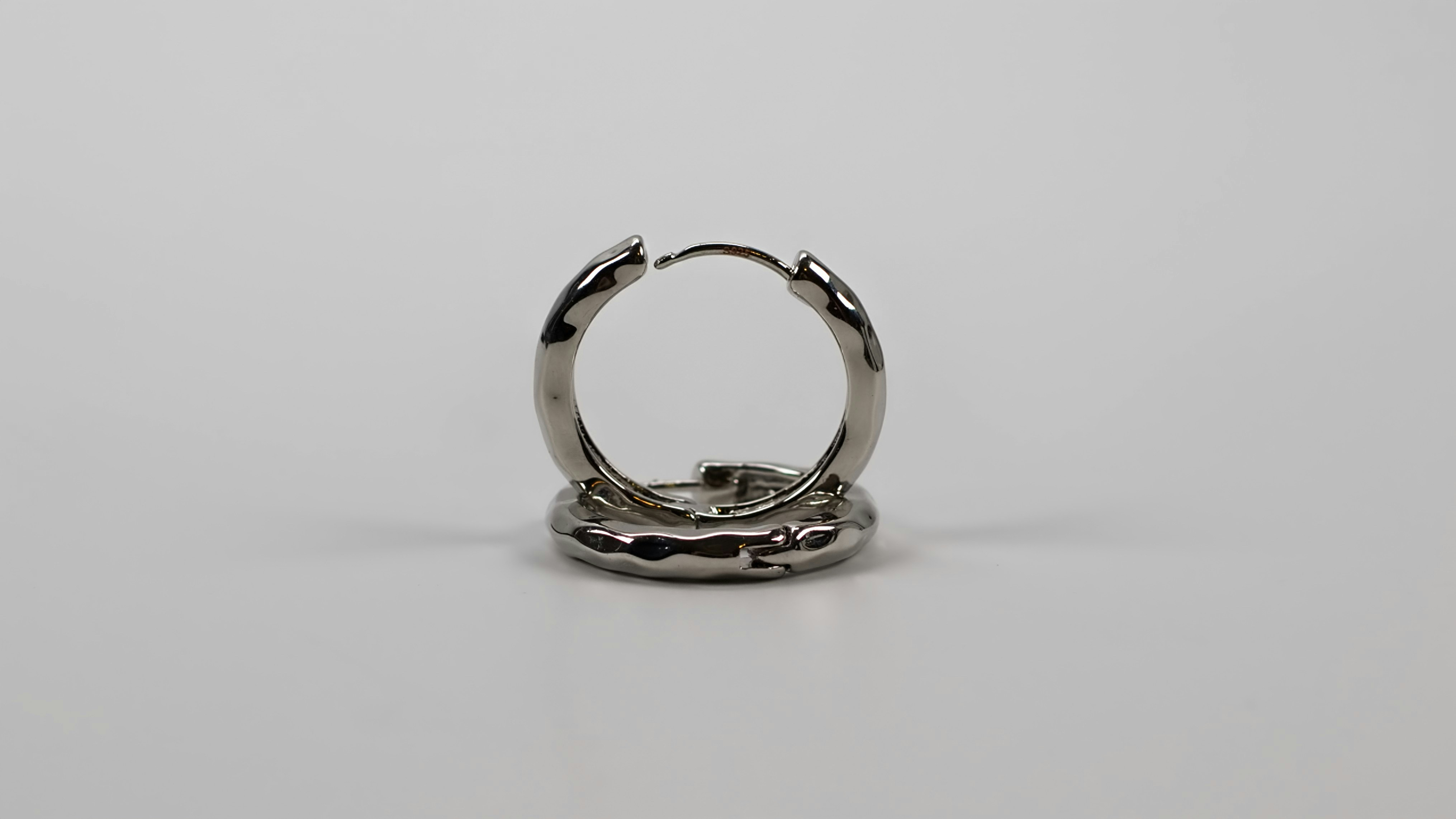
One last thing. The costume team for The Devil Wears Prada 2 spent weeks searching for the perfect hoop earrings for Miranda Priestly. They scoured showrooms, pulled from designer archives, and came up empty. It was Meryl Streep herself who eventually found them — at CVS.
The most powerful woman in fashion. A drugstore. The thing that completed the look was never on the runway.
Neither, it turns out, was the thing you were looking for.
Cara Alderucci writes about what it costs to perform your way through a life, and what survives when you stop. She spent over twenty years in marketing, brand management, and entrepreneurship before she started writing honestly about what that cost. She is completing a memoir about the cognitive and personal toll of high-functioning excellence, and the radical grace of choosing a profoundly average life. She calls herself a Forensic Optimist. She is learning, belatedly, to breathe at the shore.
Love the "cerulean sweater" opening and closing on your essay. The first wear is unconscious. The second wear is the full accounting — chosen, with the cost known, no nostalgia required. That's the move most of us never make. We either keep wearing the sweater pretending we don't know what it cost, or we burn it and call that growth. Neither is the work. The work is putting it back on, on purpose.